University of Haifa: Cell Communication Mechanism May Explain Why Some Cancer Treatments Fail to Yield Significant Results

The Notch receptor, which until now was considered only as a receiver of signals, also acts as a signaling molecule that activates neighboring cells and even signals them to engulf living cells. The study findings may change our understanding of diseases associated with Notch, including types of cancer, and explain why treatments that focused only on activity within the cell have so far not secured significant results.
A study conducted at the University of Haifa has found that a central mechanism in communication between cells operates differently from what has previously been assumed. The finding may explain why treatments for serious diseases, including some types of cancer, have so far not achieved significant results. The study focuses on the Notch receptor, a central protein in communication between cells that has previously been linked to various diseases, including several types of cancer. Contrary to the assumption that Notch functions only as a receptor for signals from other cells, the researchers showed that the receptor is also capable of functioning as a signal that activates receptor on neighboring cells and even signals them to engulf living cells. This is a fundamental change in the scientific perception of Notch activity. “The new mechanism we identified may explain why treatments that focus only on activity within the cell have so far failed to yield significant results, since the Notch receptor also acts as a signal to neighboring cells and affects neighboring cells,” said Prof. Hila Toledano from the University of Haifa, one of the authors of the study.
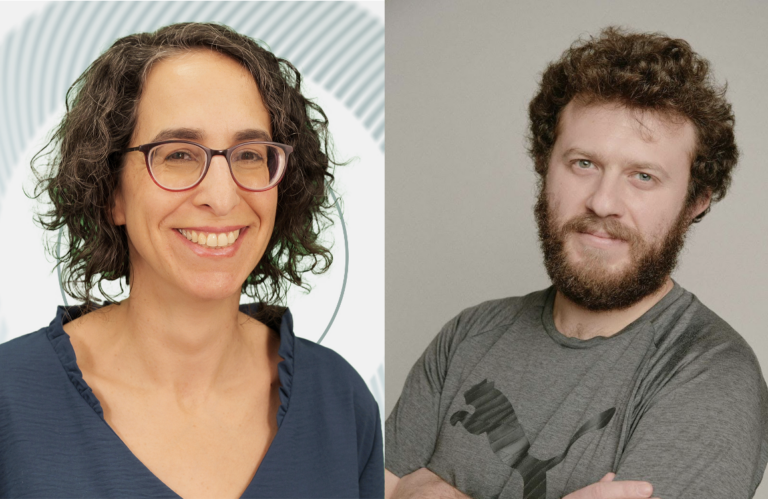
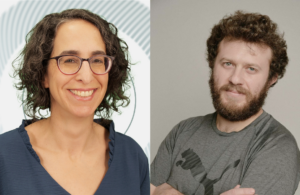
Intercellular communication is a central biological process that enables cells to exchange information and coordinate complex activity in tissues and organs. In this process, cells “transmit” molecular signals that are received by other cells through designated receptors located on the cell membrane surface. When such a signal binds to a receptor, it causes a change in the activity of the receiving cell and thereby affects its function, its state, and even its fate. This mechanism is essential for the precise regulation of processes such as embryonic development, cell differentiation, and maintenance of proper balance in tissues. One of the central receptors in this communication is the Notch receptor, which was first identified over a century ago in the fruit fly. Disruptions in this pathway in humans have been linked to a wide variety of diseases, including types of cancer, Alagille syndrome, and CADASIL. Against this background, doctoral students Heba Abo Romi and Neven Serhan, research students in the laboratory of Prof. Hila Toledano from the Department of Human Biology at the University of Haifa, sought to examine whether the Notch receptor functions solely as a receptor that receives signals from other cells, or whether it plays an additional role in cell communication.
The researchers used a fruit fly research model, which allows cellular processes to be tracked with a high degree of precision. They combined advanced methods of live imaging, fluorescent staining for identifying live and dead cells, and genetic manipulations that made it possible to increase or decrease the expression levels of the Notch receptor in cells. They also compared different versions of the protein, including ones lacking the internal part responsible for classical signaling, and examined how these changes affect cell behavior.
The study results show that the Notch receptor does not function only as a receptor of signals, but also as a signal that activates neighboring cells. It emerges that Notch binds directly to a receptor called Draper in adjacent cells, thereby activating a process in which these cells engulf living cells, in a process known as “phagoptosis”. Surprisingly, the process does not depend on the internal signaling activity of Notch, but occurs even when this part of the protein is inactive. This shows that its activity as a signal to neighboring cells does not depend on the known signaling mechanism of Notch. The study also found that increasing Notch levels in cells led to a significant increase in cell death, whereas reducing it diminished the process; without the Draper receptor, the process does not occur at all. These findings point to a fundamental change in understanding the direction of cell signaling. “The findings suggest a paradigm shift in intercellular communication and in the interpretation of diseases associated with Notch. If this mechanism also exists in diseases caused by mutations in Notch, it is possible that treatments focusing only on its activity within the cell are not effective, and the direction of signaling and the receptors involved in the disease should be reexamined,” the researchers concluded.
Published in the journal Nature Communications