Bar-Ilan University Researchers Identify a Possible Key to Reversing Aging
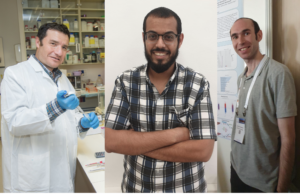
Researchers at Bar-Ilan University have successfully restored youthful patterns of DNA organization in the livers of old mice, reversing key molecular features associated with aging. Protein linked to longevity restored youthful patterns of DNA organization in aging mouse livers, reversing key molecular signs of aging.
The study identifies the protein SIRT6 as a powerful protector against age-related breakdown in chromatin, the complex system that packages DNA and controls how genes are switched on and off.
The findings suggest that aging is not simply a passive process of wear and tear but may be driven in part by reversible changes in the way DNA is organized inside cells.
DNA inside cells is tightly folded and packaged into chromatin, a structure that acts like a biological control system for gene activity. Using advanced tools to study DNA organization and gene activity, the researchers examined multiple molecular changes in the livers of young and old mice. What they discovered was dramatic: aging disrupts chromatin architecture in the liver, causing inflammatory pathways to become overactive while weakening the metabolic programs that define healthy liver tissue.
“As we age, the genome loses its proper organization,” said Prof. Haim Cohen, Director of the Sagol Healthy Human Longevity Center at Bar-Ilan University’s Goodman Faculty of Life Sciences, who led the study. “Genes that should remain silent become activated, especially inflammatory genes, while genes required for normal liver function begin to shut down.
Remarkably, when the scientists increased SIRT6 levels in already old mice, many of these age-related chromatin changes reversed.
“What we found is that SIRT6 can help rewind this process. In simple terms, we took an old liver and restored its DNA organization toward a much younger state,” said Prof. Cohen.
The researchers also identified a specific chromatin marker, known as H3K9ac, that appears closely linked to age-related chromatin opening and inflammatory activation. SIRT6 helped restore a younger chromatin pattern at these sites.
The study adds an important new layer to previous discoveries showing that SIRT6 promotes longevity and healthy aging. Rather than focusing on individual diseases, the new findings point toward the possibility of targeting one of aging’s root biological mechanisms itself: the loss of proper genome regulation.
“This is exciting because it suggests aging may be more plastic than we once believed,” Prof. Cohen said. “If we can restore healthy chromatin organization, we may eventually be able to preserve tissue function, reduce inflammation, and improve health during aging.”
The research was led by PhD students Ron Nagar and Zacharia Schwartz, from the Mina and Everard Goodman Faculty of Life Sciences and the Sagol Healthy Human Longevity Center at Bar-Ilan University, together with collaborators from Tel Aviv University and the National Institute on Aging, including Prof. Rafael de Cabo and his team.
While the work remains at the stage of basic research in mice, the researchers believe it opens an important new direction in the emerging field of rejuvenation biology — the effort to reverse fundamental aspects of aging itself.
Published in Nature Communications,