Bar-Ilan University-Led International Team Says Science Alone Won’t Save Coral Reefs
New Science Advances paper calls for broader action as Coral Art-Science Consortium launches to unite artists, designers and scientists in protecting Earth’s most threatened ecosystems. Coral reefs are disappearing at an unprecedented rate as climate change, marine heatwaves, pollution and coastal development threaten one of Earth’s richest ecosystems. While scientific research has greatly advanced our understanding of the crisis and ways to restore damaged reefs, a new international paper argues that science alone will not be enough to protect them.
Writing in Science Advances, researchers from Bar-Ilan University and leading institutions around the world call for a fundamental shift in coral conservation by integrating science with art, design, culture and community engagement to inspire public awareness and meaningful action.
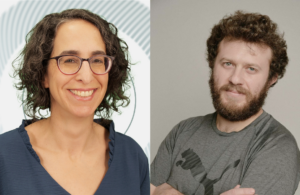
The paper was co-authored by Prof. Oren Levy of Bar-Ilan University’s Goodman Faculty of Life Sciences together with researchers from universities and organizations across the United States, Europe, Asia, Australia, and island nations throughout the Pacific and Indian Oceans.
According to the authors, coral reefs provide food security, coastal protection, livelihoods and cultural identity for hundreds of millions of people worldwide. Yet they continue to decline because of climate change, overfishing, pollution and habitat destruction. Addressing this crisis, they argue, requires more than scientific innovation and ecological restoration—it also demands stronger public engagement and political commitment.
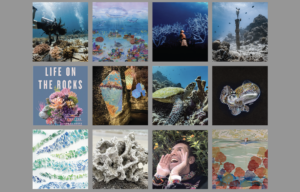
The researchers propose using artistic expression and creative design to translate complex scientific knowledge into experiences that resonate emotionally with diverse audiences. By making environmental challenges more tangible and personally meaningful, art can help motivate broader participation in coral reef conservation.
The paper highlights a wide range of successful examples, including environmental art installations, documentary filmmaking, music, dance, graphic design, product design and public art projects that have helped communicate complex environmental issues to the public.
The authors devote particular attention to the role of design as a powerful tool for environmental communication. Graphic design can transform complex ecological data into compelling visual stories; product designers can incorporate reef-inspired concepts into everyday objects and biomimetic technologies; fashion designers can raise awareness through textiles and campaigns that connect ecological beauty with consumer choices; and landscape architects can bring coral-inspired forms into parks, waterfronts and public spaces. Together, they argue, these disciplines can help integrate coral reefs into everyday culture and public consciousness.
“Coral reefs are far more than marine ecosystems,” the authors write. “For many communities, they are central to livelihoods, cultural heritage and local identity.” Bringing together scientists, artists and local communities, they argue, can expand public engagement and strengthen support for reef conservation and restoration.
As part of this vision, the researchers, led by Prof. Levy, Dr. Or Ben-Zvi from the Scripps Institution of Oceanography, and Prof. Mónica Medina from UCLA, have established the Coral Art-Science Consortium, a nonprofit initiative dedicated to advancing coral reef awareness, conservation, and restoration through collaborations among scientists, artists, educators, policymakers, and communities worldwide. The consortium’s new website serves as a hub for global participation, creative projects, educational resources, and collaborative opportunities.
The Coral Art-Science Consortium seeks to connect and amplify existing efforts around the world while fostering new collaborations. Planned activities include exhibitions, public events, educational programs, digital storytelling initiatives, citizen participation projects, and partnerships that elevate reef conservation in public discourse.
Israel is represented in the consortium by two internationally recognized creators. Industrial designer Prof. Ezri Tarazi, Design-Tech Labat the Technion, founder of Tarazi Studio, has pioneered projects combining design, marine ecology and 3D-printed biomimetic reef structures, including restoration work in Fiji. International artist and designer Tzuri Gueta recently presented VISION at the Révélations Biennale, creating an immersive sculptural installation that seeks to foster an emotional connection between viewers and coral reef ecosystems.
The authors conclude with a call for scientists, artists, educators, policymakers and local communities to work together to transform awareness of the coral reef crisis into collective action. Through the Coral Art-Science Consortium, they hope to build a global movement that fosters collaboration, education, public engagement and philanthropic support to help secure the future of the world’s oceans and coral reefs.