Ben-Gurion University Researchers Develop Aerogel That Absorbs 100 Times Its Weight in Oil
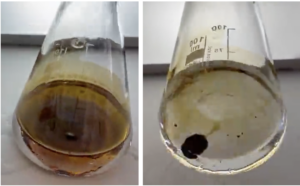
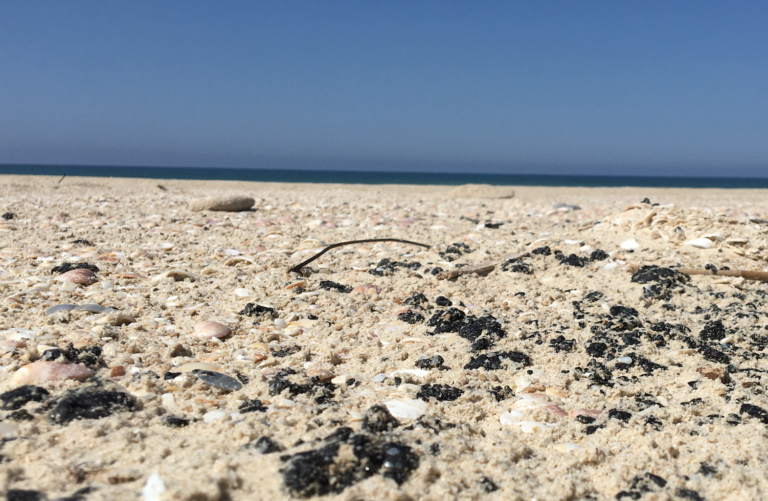
Researchers from Ben-Gurion University of the Negev developed an innovative technology to treat crude oil and fuel pollution in marine and aquatic environments. Oil and fuel spills pose significant environmental challenges, contaminating water and soil and disrupting marine ecosystems. Conventional remediation approaches often focus on containing or removing pollutants, but the new technology is designed to address both the immediate capture of hydrocarbons and their longer-term degradation. Laboratory experiments demonstrated that the material can adsorb approximately 100 times its own mass in crude oil, fuel and other hydrocarbons.
The technology, developed in the university’s Environmental Biotechnology Laboratory, implements a two-stage approach that combines physical adsorption and biological degradation in aquatic environments, using a porous aerogel made from cellulose fibers enriched with nitrogen and phosphorus. These nutrients support oil-degrading bacteria, enabling the material not only to capture pollutants but also to facilitate their subsequent biological breakdown.
The research team, led by Prof. Ariel Kushmaro and headed by Dr. Danit Lisa Karsagi Biron of Ben-Gurion University’s Faculty of Engineering, developed the aerogel through a process involving nutrient enrichment, freeze-drying, and pyrolysis.
The aerogel provides a surface on which the bacteria can attach, bringing them into close contact with both the adsorbed hydrocarbons and the nutrients they require. In this way, the system creates conditions that support the microbial breakdown of the captured pollutants.
Importantly, the researchers found that the process can ultimately lead to the biodegradation of the cellulose-based aerogel itself, potentially reducing the need to remove and dispose of contaminated adsorption material after treatment.
“These findings demonstrate the potential of the method we developed as a versatile and sustainable platform for treating oil spills in aquatic and marine environments. By combining physical adsorption with biodegradation, the technology offers a promising and innovative alternative to conventional approaches, addressing both immediate containment and long-term environmental recovery,” said Prof. Ariel Kushmaro.
The research team also included Dr. Hanna Barak, Dr. Barak Halpern, Dr. Esti Kramarski-Winter, Lee Sheli, Noa Azri, Prof. Shmuel Hayoun, and the late Prof. Alex Sivan, all from Ben-Gurion University of the Negev.
The research was supported by the Abraham and Stella Goldstein-Goren Foundation, the John A. Ungar Chair for Biotechnology, and the Ministry of Regional Cooperation.
The technology is currently undergoing patent recognition through BGN Technologies, Ben-Gurion University of the Negev’s technology commercialization company.