Hebrew U.: Early DNA Breaks in BRCA Carriers Reveal the Beginnings of Breast Cancer
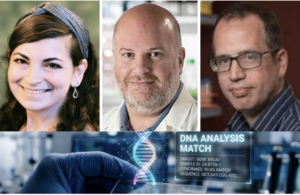
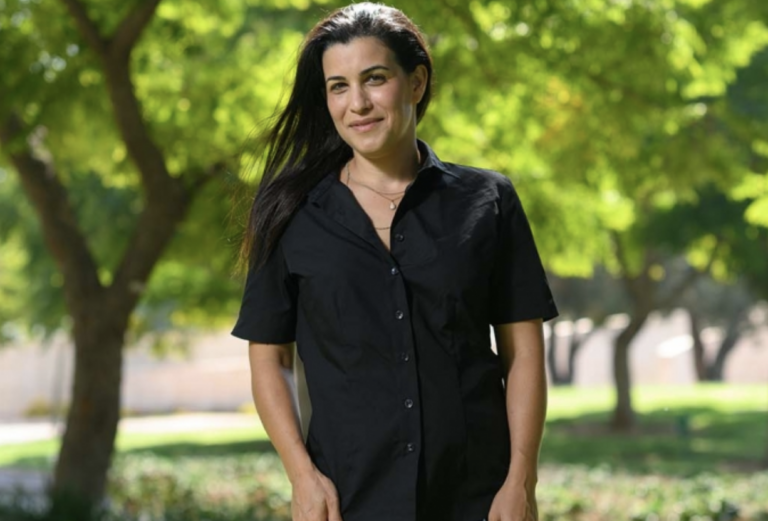
A study led by Ph.D. student Sara Oster Flayshman under the guidance of Dr. Rami Aqeilan and Dr. Yotam Drier from the Faculty of Medicine at the Hebrew University of Jerusalem, in collaboration with City of Hope researchers Dr. Seewaldt and Dr. LaBarge, has revealed a previously unseen window into how breast cancer begins in women carrying BRCA1 or BRCA2 mutations. Their study, published in Cell Death & Disease, traces the earliest molecular events that set cells on the path toward malignancy, years before cancer is clinically detectable.
For decades, scientists have known that mutations in BRCA1 and BRCA2 compromise a cell’s ability to repair DNA double-strand breaks (DSBs), one of the most dangerous forms of genetic damage. But how this chronic damage transforms healthy breast tissue into cancer has remained a mystery.
The team used next-generation sequencing to map DNA breaks across the genomes of primary mammary epithelial cells from non-malignant BRCA mutation carriers. These women are classified as high-risk patients, yet their cells have not undergone malignant transformation. This provided a rare opportunity to study carcinogenesis at its inception.
A Distinctive Pattern of DNA Breakage
The researchers discovered that the DSB landscape in BRCA-mutated cells is fundamentally different from that of healthy controls, and, strikingly, resembles the pattern seen in breast cancer cells.
Key cancer genes, including both proto-oncogenes and tumor suppressors, showed a significantly higher number of breaks in BRCA mutation carriers. Moreover, genes that experience more breaks tended to be more highly expressed, making them both active and vulnerable, conditions that favor oncogenic change.
Early Damage Predicts Future Mutations
Many of the genes identified as highly break-prone in BRCA mutation carriers are the same genes later found mutated in breast tumors. This reveals a direct molecular bridge between early DNA repair deficiencies and the mutations that drive breast cancer progression.
The study also shows that these high-breakage genes strongly correlate with homologous recombination (HR) repair pathways, reinforcing the central role of BRCA-driven HR loss in cancer initiation.
New Avenues for Early Detection
By charting where and how DNA breaks accumulate before cancer emerges, the research opens the door to future tools for early cancer detection, potentially years before tumors become visible by imaging or symptomatic.
“This work provides critical insight into the earliest molecular changes that take place in breast cells of BRCA mutation carriers,” said Dr. Aqeilan. “Understanding these initial events allows us to envision new strategies for identifying cancer at its earliest, most treatable stages.”
“What is especially exciting,” added Sara Oster Flayshman, “is that we can now pinpoint specific regions in the genome that are repeatedly damaged long before a tumor appears. Dr. Drier added, “These patterns could one day help us develop more precise biomarkers, so that high-risk women are not only monitored more effectively, but also offered interventions based on the actual biology of their cells.”
A Step Toward Prevention
With breast cancer remaining the most common cancer in women worldwide, these findings represent an important advance in understanding cancer risk in BRCA mutation carriers, those who often face difficult decisions about surveillance and preventive surgery.
This discovery marks an important stride toward deciphering the biological origins of cancer and turning that knowledge into predictive and preventive medicine.