BGU (Israel): plants can acquire nutrients not only from the soil but also from atmospheric dust
New research from Ben-Gurion University of the Negev shows that plants can acquire nutrients not only from the soil but also from atmospheric dust that settles and dissolves on their leaves, releasing elements such as phosphorus and iron.
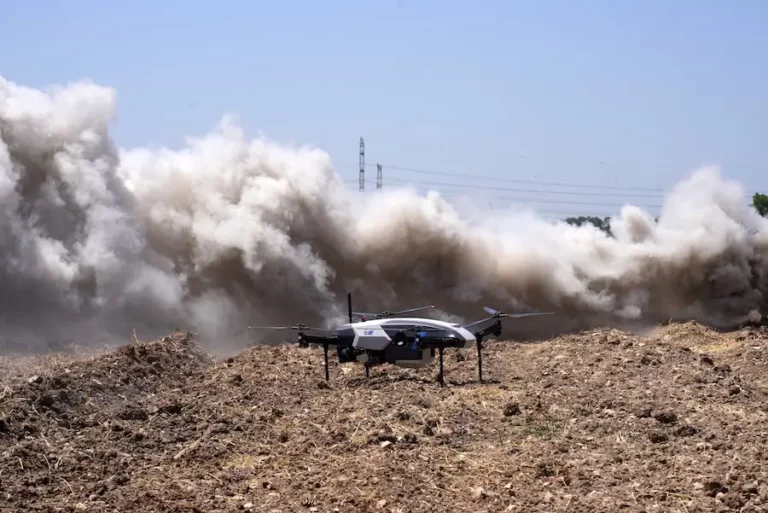
In a Mediterranean field study simulating dust events, dust application increased plant macronutrient and micronutrient concentrations through the plants’ mildly acidic leaves. By integrating field observations with dust-deposition estimates and soil nutrient data from different regions, investigators found that during dust events, daily nutrient inputs via foliar uptake can match or exceed soil-derived inputs.
“This suggests a shift from the traditionally soil-centric view of nutrient acquisition toward a vegetation-mediated pathway, where the plant canopy acts as an active interface for capturing and processing atmospheric particles,” said Dr. Anton Lokshin, a postdoctoral researcher at BGU. “In nutrient-limited ecosystems, this leaf-based nutrient pathway may represent an important and currently overlooked contribution to plant nutrition and ecosystem functioning.”
The study was conducted by Anton Lokshin in the laboratory of Dr. Avner Gross, in collaboration with Dr. Daniel Palchan (Ariel University) Prof. Marcelo Sternberg (Tel Aviv University), Tom Goren (Bar Ilan university), and Andre (Mahdi) Nakhavali (IIASA).
Dr. Gross is a member of the Department of Environmental, Geoinformatics and Urban Planning Sciences in the Faculty of Humanities and Social Sciences and the Goldman Sonnenfeldt School of Sustainability and Climate Change.
The study was supported by The Israel Science Foundation (Grant nos. 267/24 and 3171/24). The Matta LTER station received support from the Ministry of Science, Technology and Space (grant no. 314442) and the Chief Scientist of the Jewish National Fund (grant no. 1823). It was also supported by the Council for Higher Education and the European Commission under the scope of the ForestNavigator project (grant agreement No. 101056875).
Published in New Phytologist
New Phytologist is a leading international journal focusing on high quality, original research across the broad spectrum of plant sciences, from intracellular processes through to global environmental change. The journal is owned by the New Phytologist Foundation, a not-for-profit organisation dedicated to the promotion of plant science.